Archives
-
HCC metastasis is a multistep multifactorial process includi
2022-02-26
HCC metastasis is a multistep, multifactorial process, including adhesion of tumor Fumonisin B1 to the extracellular matrix (ECM), remodeling and degradation of ECM, invasion through local tissue, intravasation into blood or lymph vessels, and forming new tumors at distant sites [6,7]. Loss of adhe
-
Recent findings of us suggest that compounds that
2022-02-26
Recent findings of us suggest that compounds that inhibit both FAAH and TRPV1 may be more efficacious in pain relief than those targeting only one such protein. As continuation of our efforts to identify new molecules able to target simultaneously both FAAH and TRPV1 receptors, we hypothesized that
-
br Acknowledgements br Insulin is a vital
2022-02-26
Acknowledgements Insulin is a vital peptide hormone with the exclusive capacity to regulate the blood glucose that entirely is secreting from pancreatic β cells (Kasai et al., 2014). The human insulin comprises 51 amino BAMB-4 residues, with a molecular mass of 5.808 kDa. INS, responsible for
-
br Introduction Currently HIV infection treatment guidelines
2022-02-26
Introduction Currently, HIV-1 infection treatment guidelines adopted in USA and EU provide for the simultaneous administration of three antiretroviral drugs (HAART “Highly Active Anti-Retroviral Therapy”) in severely compromised patients [[1], [2], [3]]. Coupling at least two different mechanisms
-
Nimodipine br STAR Methods br Acknowledgments
2022-02-26
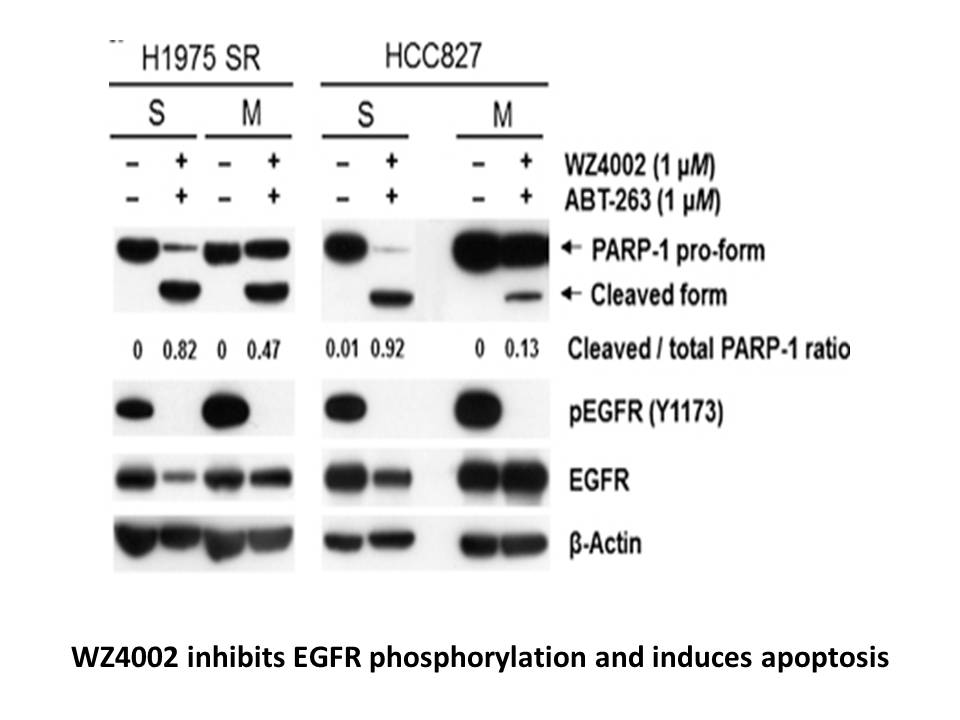
STAR★Methods Acknowledgments We thank Emeritus Professor Chikashi Shimoda and Professor Taro Nakamura of the National BioResource Project/Yeast Genetic Resource Center (NBRP/YGRC) at Osaka City University (Osaka, Japan) for Schizosaccharomyces pombe meiotic cDNA library, yeast plasmids, yeast
-
The NuB complex interacts with Asf p
2022-02-26
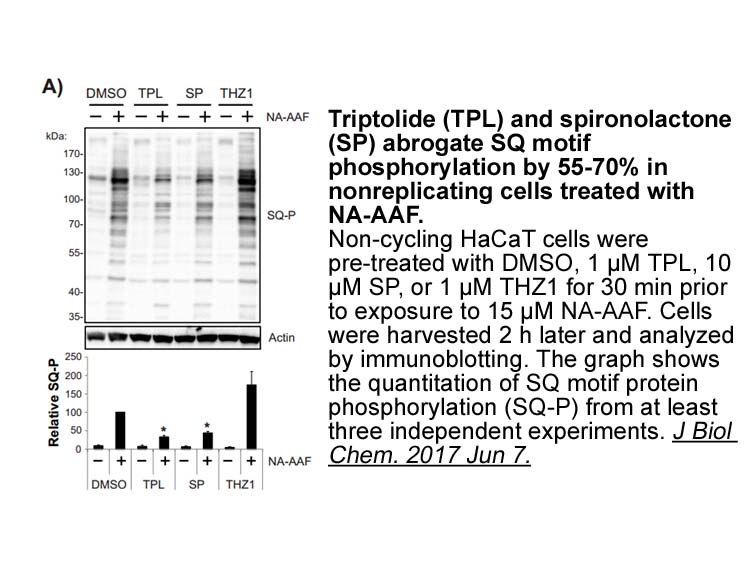
The NuB4 complex interacts with Asf1p, which plays a central role in controlling the flux of histones to the various chromatin assembly pathways. This interaction is also evolutionarily conserved having been detected in yeast, chicken and human HATU [27], [61], [104], [105]. Asf1p appears to intera
-
As an inflammatory mediator histamine plays a pivotal role
2022-02-26
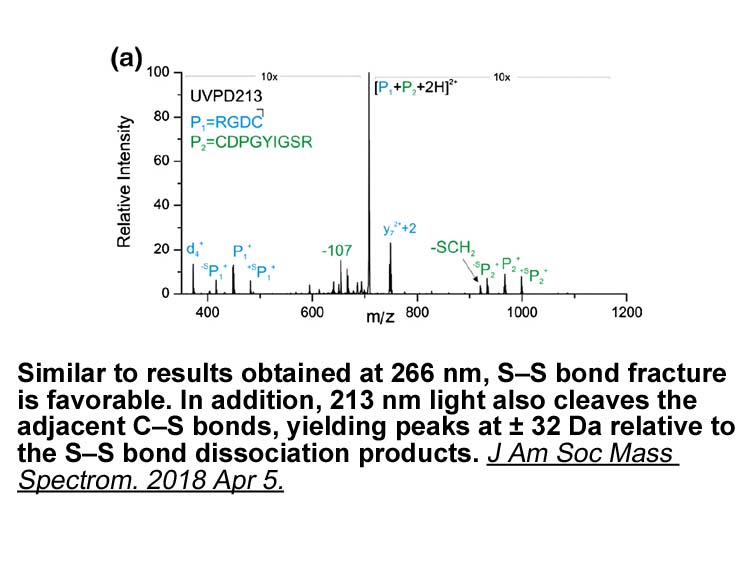
As an inflammatory mediator, histamine plays a pivotal role in nociceptive processes in both the central and peripheral nervous systems (Gemkow et al., 2009; Hough & Rice, 2011; Tiligada et al., 2009). In this respect, the participation of H3Rs in modulating pain, especially neuropathic pain, has at
-
Accompanied with apoptosis other ways of neuronal death also
2022-02-25

Accompanied with apoptosis, other ways of neuronal death also occur in ischemic selective due to the impairment of mitochondrial homeostasis [16]. Oxidative DNA damage activates poly (ADP-ribose) polymerase 1 (PARP-1) to induce regulated necrosis, referred to as parthanatos, in the brain [17]. Over-
-
To date very little is known about the
2022-02-25
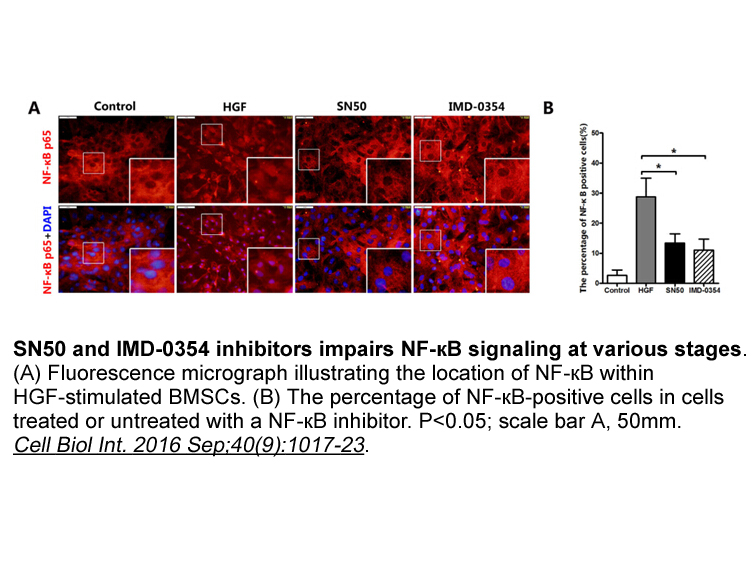
To date, very little is known about the GEFs that regulate RhoA during amoeboid migration. GEF-H1, a RhoA GEF, is activated response to microtubule destabilization and promotes amoeboid migration (Eitaki, Yamamori, Meike, Yasui, & Inanami, 2012). Interestingly, the majority of casin depleted of ano
-
Hypoxia has been shown to affect miR expression that
2022-02-25
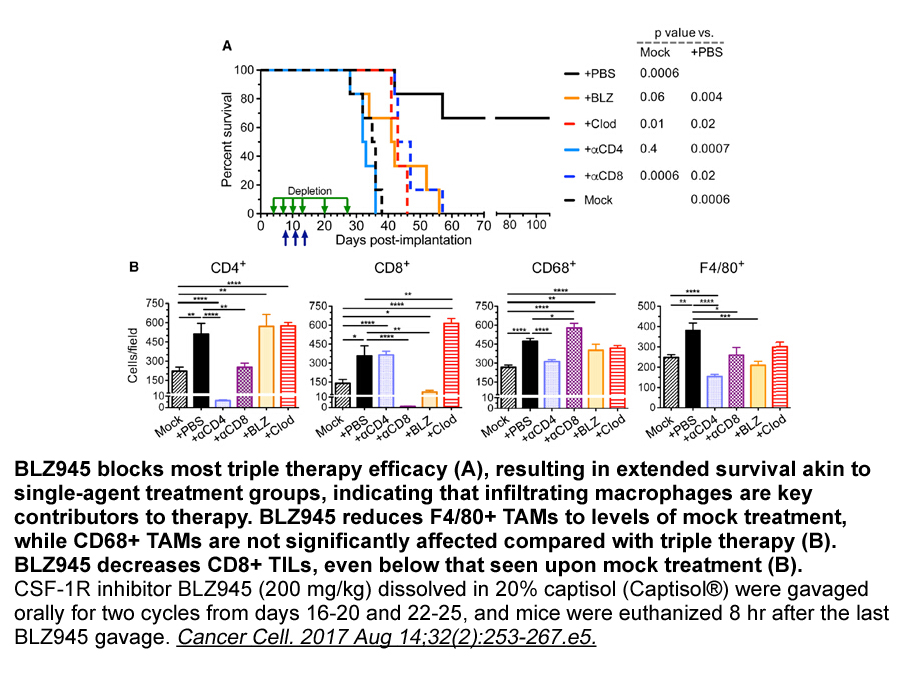
Hypoxia has been shown to affect miR-155 expression that can induce autophagy in nasopharyngeal and cervical carcinoma cells [334]. Suppression of miR-155 inhibited hypoxia-induced autophagy. miR-155 targeted mRNAs involved in the PI3K/PTEN/Akt/mTORC1 pathway including: Ras homolog enriched in KPT-8
-
Our inhibitor studies revealed the
2022-02-25
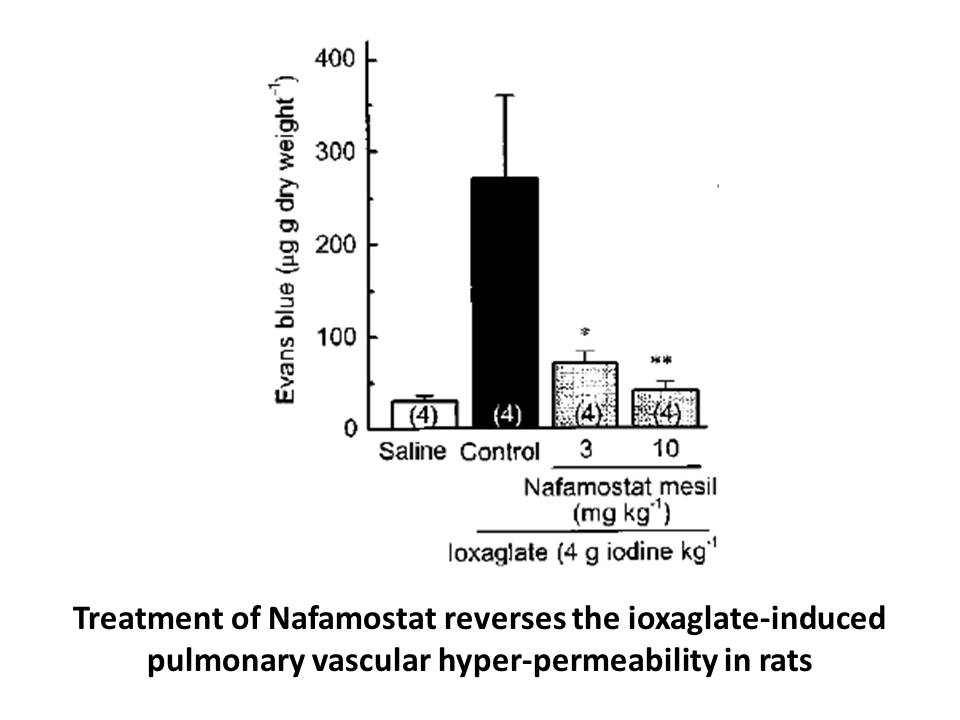
Our inhibitor studies revealed the presence of a signaling network triggered by dicarbonyl stress. Nevertheless, p38-MAPK activation was clearly necessary for NADPH-oxidase mediated production of ROS. This is consistent with data from other groups using different cell culture systems [37], [38], [39
-
For molecules with potential for therapeutic use
2022-02-25
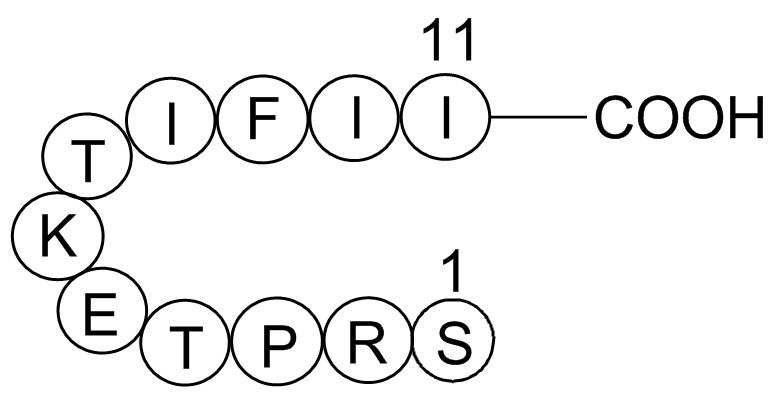
For molecules with potential for therapeutic use, high potency is desired, preferably in the nM or lower concentration range. However, the glycine receptor specific peptides identified with the New England Biolabs Ph.D. libraries, both in this study (Fig. 3) and by Tipps et al. (2010), acted at low
-
Comparison of dlGALRs deduced amino acid sequences with
2022-02-25
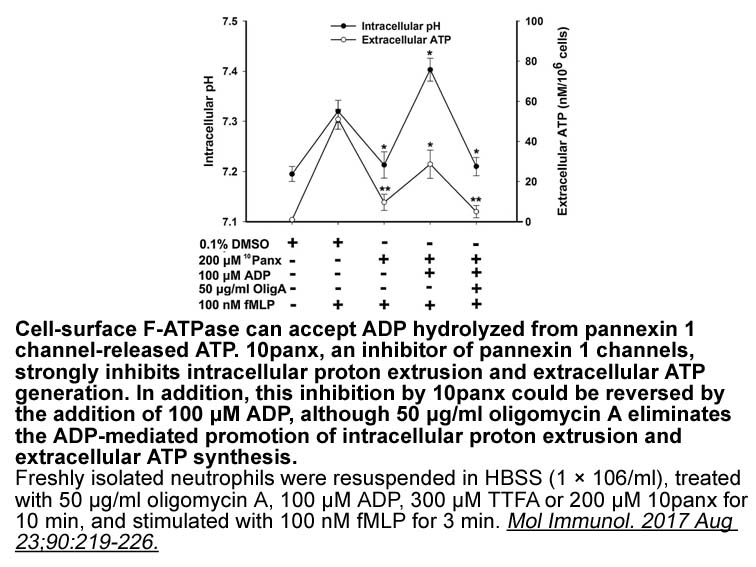
Comparison of dlGALRs deduced amino Cy5 NHS ester(Et) sequences with that of human GALRs demonstrate that the GALR1 ortholog sequences have diverged less than those of GALR2. Since often duplicate genes undergo divergent evolution through sub-functionalization, loss or gain of new functions (Prince
-
According to the World Health Organization the
2022-02-24

According to the World Health Organization, the average global intake of fat has increased by 20 g per person over the last half-century [21]. However, not all fats are the same and it is now well established that saturated and unsaturated fats, as well as trans fats, can act in opposing ways to inf
-
A 779 receptor Growing evidence supporting the anti
2022-02-24
Growing evidence supporting the anti-inflammatory and tissue-protective effects of FPR antagonists led to the screening of commercial libraries for novel small-molecule FPR antagonists. As result of these screening efforts and/or structure–activity relationship (SAR)-directed design and synthesis, a
3634 records 211/243 page Previous Next First page 上5页 211212213214215 下5页 Last page