Archives
Interestingly the virulence of HBV may adaptively evolve
2022-01-03
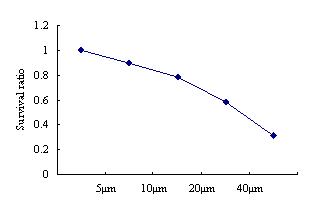
Interestingly, the virulence of HBV may adaptively evolve, thus affecting the macroscopic propagation of hepatitis B. Higher virulence in vivo may result in a higher transmission rate and mortality. By assuming that the transmission rate is a monotonically increasing function of virulence, , we prop
ESI-09 sale The different NO stimulated and ODQ
2022-01-03
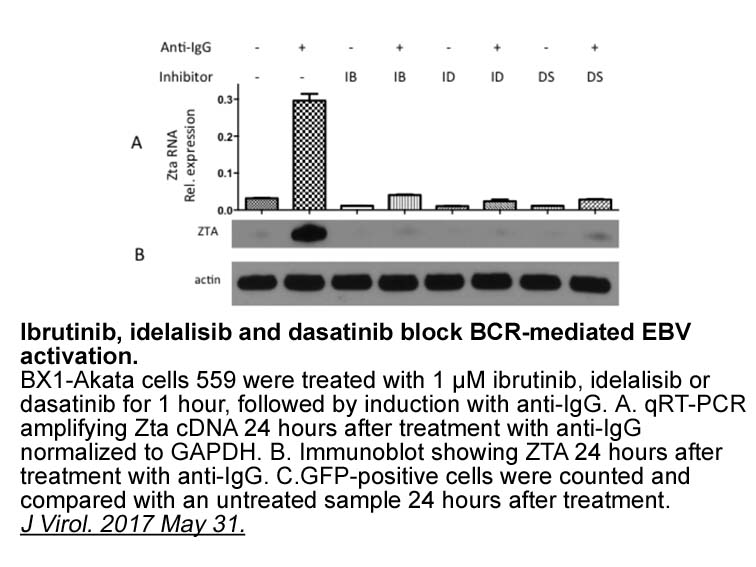
The different NO-stimulated and ODQ-inhibited cNMP patterns in terms of absolute and relative magnitude and time course reported herein suggest distinct functional roles of cGMP, cCMP and cUMP. Therefore, it will be necessary to dissect cellular effects of these cNMPs in numerous cell systems. For t
siRNA construction and transfection For small
2022-01-03
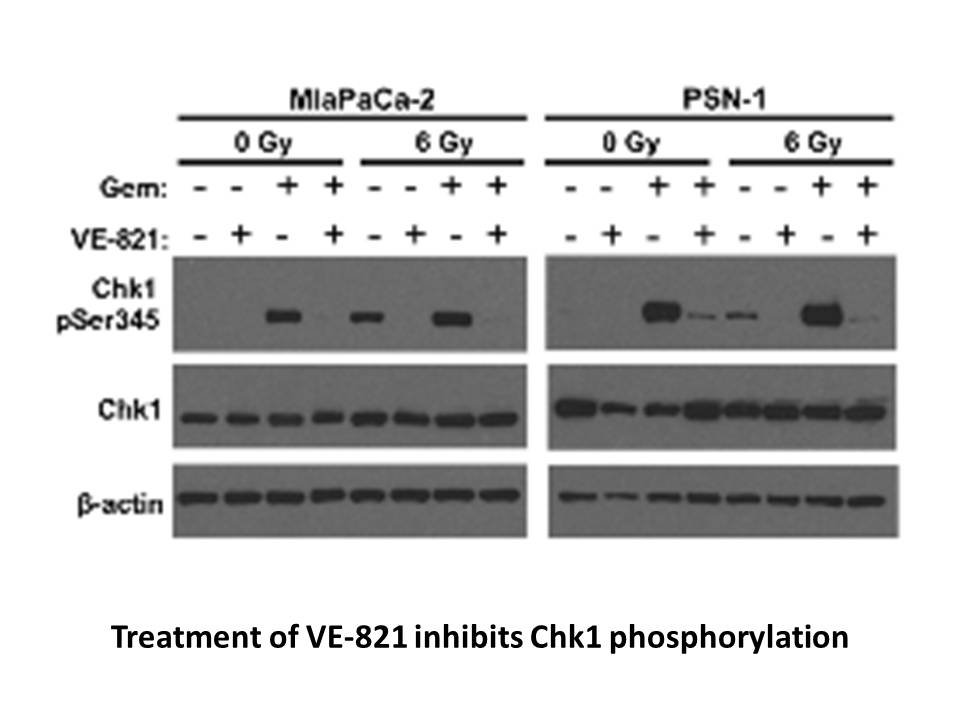
siRNA construction and transfection. For small interfering RNA (siRNA) experiments, we used Stealth™ select RNAi oligonucleotides targeted against GPR120 (Gibco/Invitrogen). The target sequence of siGPR120 used were; sense 5′-AAGUGGGUGCGAUUGACUUGGUCCA-3′ and antisense 5′-UGGACCAAGUCAAUCGCACCCACUU-3′
Molecular modeling studies also revealed
2022-01-03
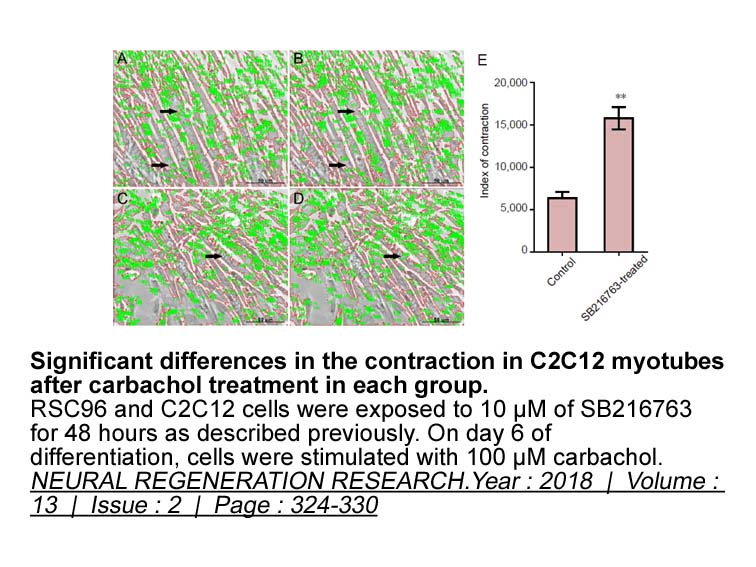
Molecular modeling studies also revealed insignificant differences in ligand-receptor interaction energies between R and S enantiomers of LPCs or their 2-OMe-analogues, suggesting that enantiomers of a particular structure should exert similar GPR119-mediated biological effect. Indeed, when studied
Dynorphin (2-17), amide, porcine receptor For several parasi
2022-01-03
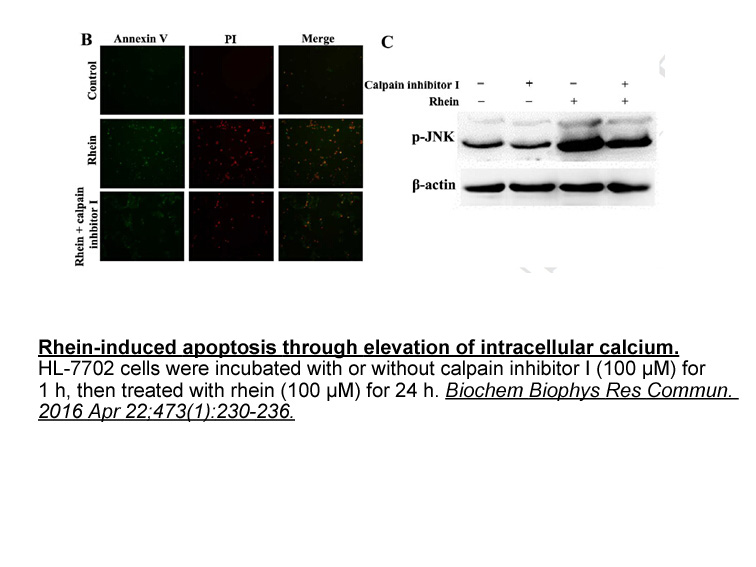
For several parasites of veterinary importance, there is a growing body of evidence that resistance to ML is, at least in part, mediated by ABC transporters (P-glycoproteins) (Whittaker et al., 2017). P-glycoproteins (Pgps) are members of the ATP-binding cassette transporter family that are well kno
Glial cells have emerged as important protagonists of the ce
2022-01-03
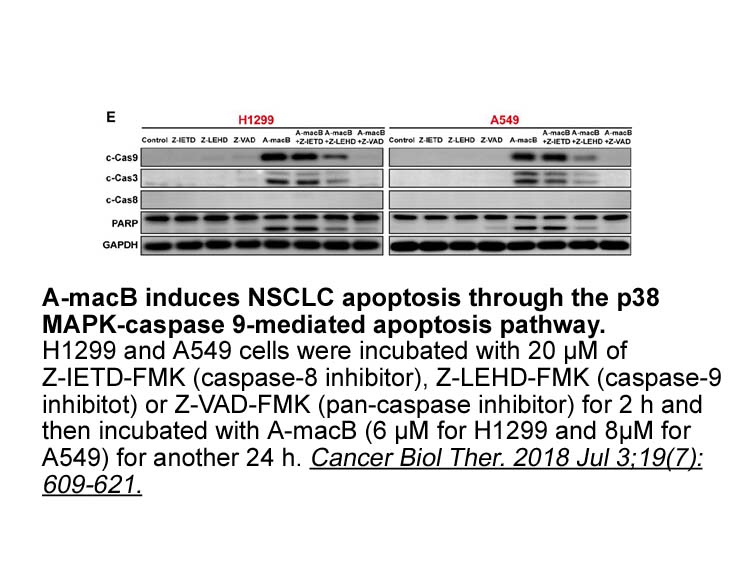
Glial cells have emerged as important protagonists of the central nervous system (CNS) physiology (Chen and Swanson, 2003; Kettenmann and Verkhratsky, 2008; Parpura and Verkhratsky, 2012). As widely described in the literature, astrocytes regulate glutamatergic synapses by clearance of glutamate in
Free fatty acid receptor FFAR also known
2022-01-03
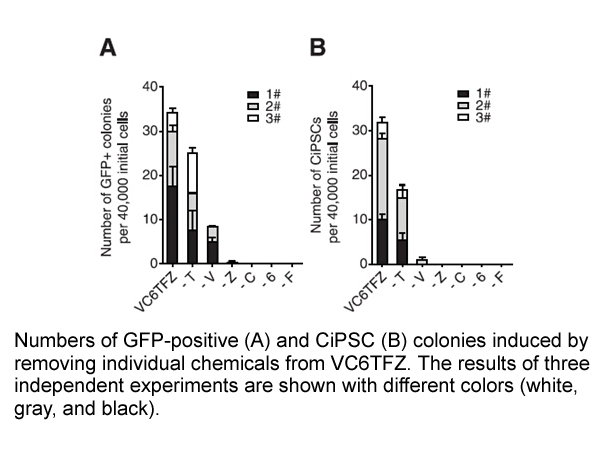
Free fatty L-Cysteinesulfinic acid receptor 1 (FFAR1, also known as GPR40) belongs to the family of G protein-coupled receptors (GPCRs) and was de-orphanized in 2003 as a receptor for medium-to long-chain free fatty acids (FFAs) [9,10]. Mainly expressed in beta cells of pancreatic islets, GPR40 can
Such responses have led to the idea that elasmobranchs
2022-01-03
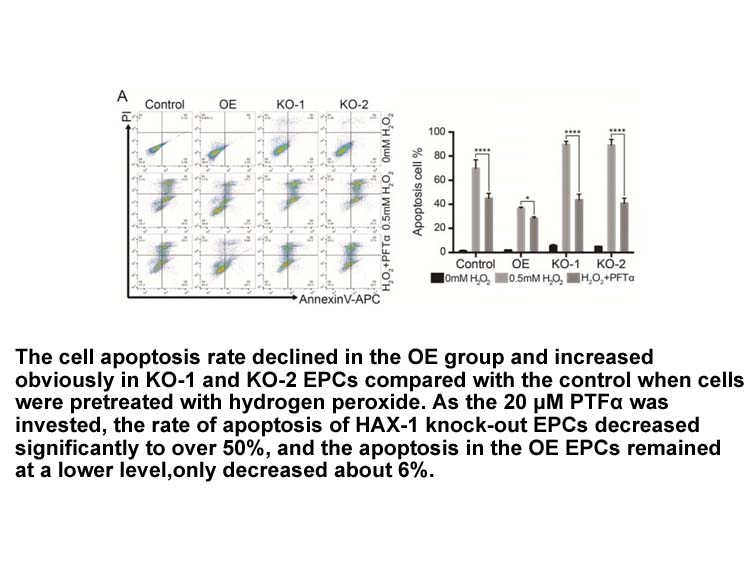
Such responses have led to the idea that elasmobranchs may be glucose intolerant. However, certain species, such as the North Pacific spiny dogfish (Squalus suckleyi; note that the species used in this study was previously referred to as Squalus acanthias but a study by Ebert et al. (2010) provided
Based on the previous report that FXR
2022-01-03
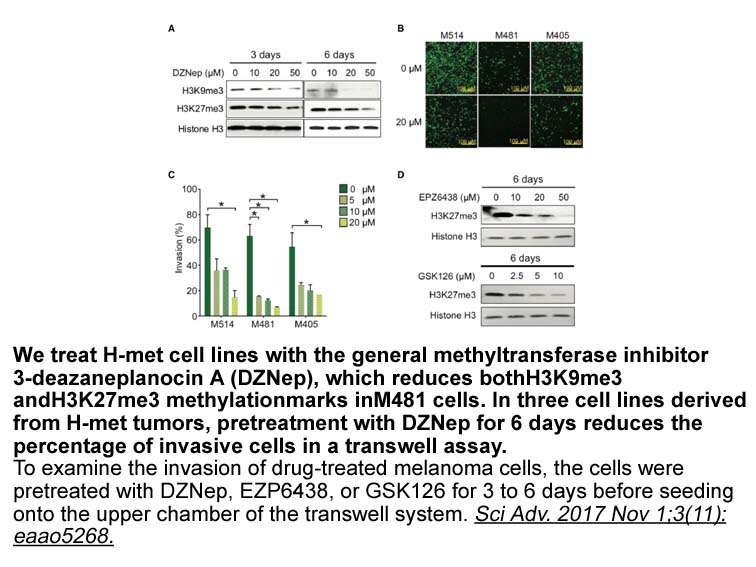
Based on the previous report that FXR regulated PEPCK indirectly [20], we speculated that FXR may regulate gluconeogenesis by regulating some key transcription factors associated with gluconeogenesis. Finally, by using HS218 as a probe, we found that FXR binds to PGC-1α promoter and directly regulat
Akt mTOR signaling pathway is a major
2022-01-03
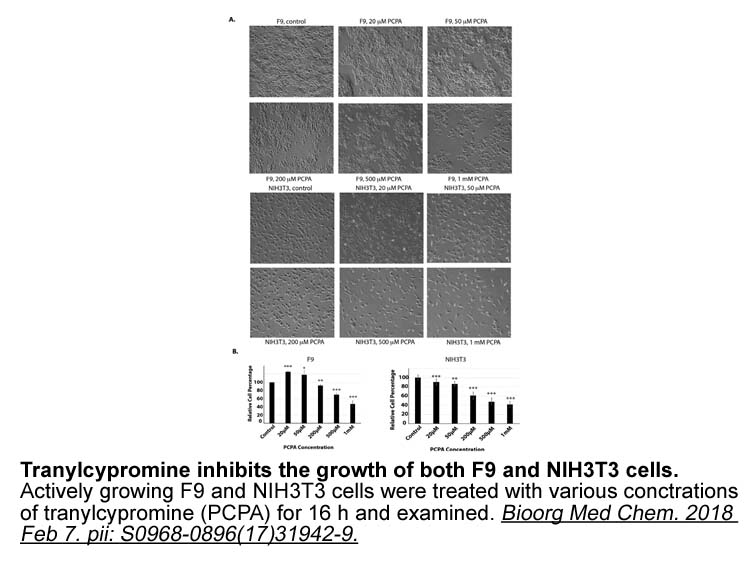
Akt/mTOR signaling pathway is a major negative regulator of autophagy, via modulating ULK1 complex. It is well established that Inhibition of mTOR by deprivation of nutrients or growth factors, led to dephosphorylation of ULK1, ULK2, and Atg13 in human cells, which is a key step for ULK1 complex ass
Interestingly the subcellular localization of FBPase in hepa
2022-01-03
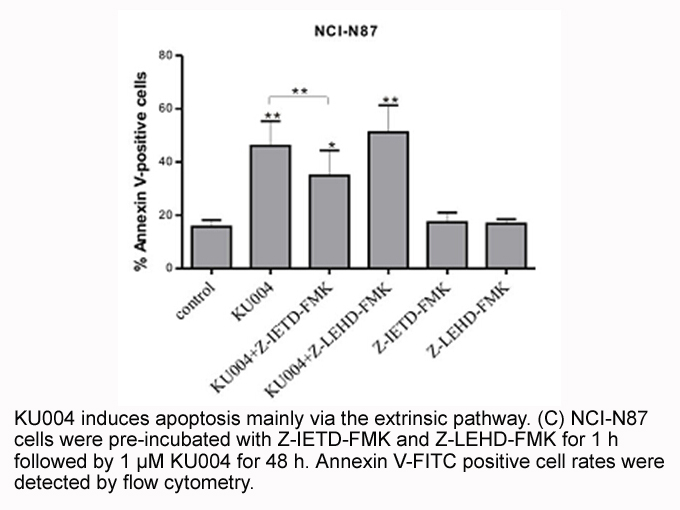
Interestingly, the subcellular localization of FBPase in hepatocytes and proximal tubule ro3 reveals that FBPase is also able to translocate to the nucleus in these cell types. The nuclear localization of muscle-FBPase was recently reported [35]. This data corroborate our results on the ability of
This crosstalk may be responsible for the beneficial
2022-01-03
This crosstalk may be responsible for the beneficial effects of histamine H2 receptor inverse agonists on fty pathologies and may also explain unwanted effects of these drugs on other tissues. In this way, Allen et al. reported an anaphylactoid reaction following cessation of high-dose ranitidine i
br Conclusion br Acknowledgement br Introduction Biogenic am
2022-01-03

Conclusion Acknowledgement Introduction Biogenic amine histamine is synthesized from L-histidine by histidine decarboxylase (HDC). Histamine is involved in a wide variety of pathological and physiological processes including allergic reactions, inflammation, immune responses, gastric secret
Benzene metabolism occurs primarily in the liver where
2022-01-03
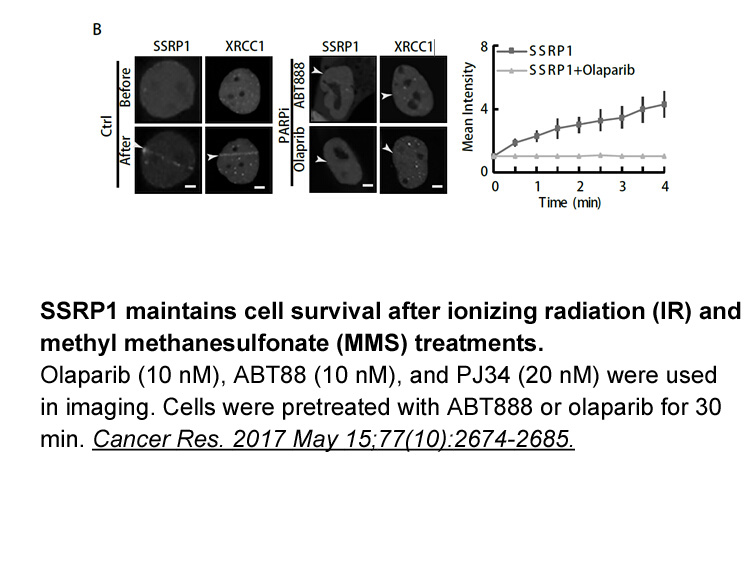
Benzene metabolism occurs primarily in the liver where benzene is converted into phenol, catechol, hydroquinone (HQ). HQ is further converted to 1,4-benzoquinone (1,4-BQ) in the bone marrow which is the primary organ of benzene toxicity (Bolton et al., 2000). 1,4-BQ is an important benzene metabolit
tandospirone Based on pharmacophore modeling a
2022-01-03
Based on pharmacophore modeling, a good HDAC inhibitor has at least three sides/regions: the attachment side of the Zn2+ cofactor/HDAC active site (Zn2+ binding group/ZBG), hydrophobic cap (CAP) and linker containing connecting unit (CU) with electronegative groups (Mohan et al., 2011, Rossi et al.,
3660 records 244/244 page Previous First page 上5页 241242243244